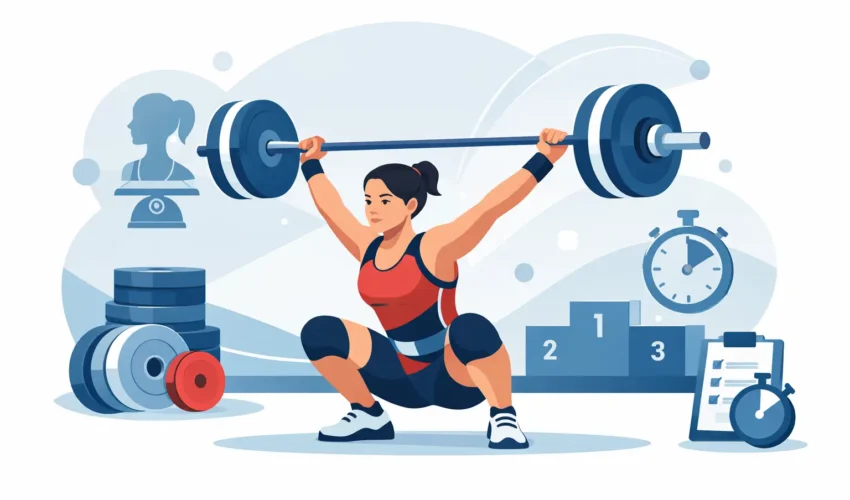

The bar does not care about hype, but a great women’s 53kg weightlifting session delivers plenty of it. One second, the platform is quiet. Then an athlete explodes through the floor, catches a loaded bar overhead, and turns a technical movement into a clip worth replaying. In this weight class, raw strength matters, but timing, mobility, and nerve are often what separate a save from a miss.
For viewers, 53kg weightlifting is one of the best places to see power move fast. For lifters, it is a reminder that better lifting is not always about adding more plates. It is about making every position sharper when the weight gets serious.
What Makes a Women’s 53kg Weightlifting Session Different
The 53kg category sits in a compelling zone of Olympic weightlifting. Athletes have to be brutally strong relative to bodyweight, yet the lifts are usually fast enough to make the mechanics easy to see on video. A slow grind may work in some strength sports. In the snatch and clean and jerk, speed under the bar is part of the deal.
A typical session can include snatch work, clean and jerk work, squats, pulls, and accessory training for shoulders, trunk, and posterior chain. The exact order depends on the goal. A competition-focused day starts with the most technical barbell lifts while the athlete is fresh. A strength-focused day may give squats or pulls more attention after lighter technique work.
That distinction matters when watching training footage. Not every heavy lift is a max attempt, and not every miss signals a bad day. A lifter might be practicing a pause below the knee, a no-foot snatch, or a clean from blocks specifically because the movement feels harder than a full lift. The clip only tells the full story if you notice the setup.
Watch the First Pull, Then Watch the Catch
The first pull runs from the floor to around knee height. It is controlled, not rushed. Strong 53kg lifters generally keep the bar close, maintain pressure through the feet, and lift with a consistent back angle rather than yanking the bar away from the body.
From there comes the transition. The knees shift back under the bar, the torso becomes more upright, and the athlete reaches the power position. This is where a lift can look almost effortless right before it becomes explosive. The finish is violent, but it is not wild. Legs drive, hips extend, and the athlete pulls herself under instead of trying to muscle the bar all the way up.
The catch is where the real drama lives. In a snatch, look for locked elbows, an active shoulder position, and a stable overhead squat. In the clean, focus on how quickly the elbows whip around and whether the bar lands on the shoulders instead of crashing down. For the jerk, a vertical dip and a decisive split or power catch make the difference.
A lift can be made with imperfect positions, especially when an athlete is strong enough to fight for it. But repeated technical errors eventually get expensive. A bar that loops forward forces a chase. Soft elbows invite a press-out. A rushed jerk dip sends the bar forward. These details are why the best replay clips are more than big-weight spectacle.
A Smart Session Has More Than Heavy Attempts
The biggest lifts make the best thumbnails, but a productive training session is built around repeatable work. Most athletes spend far more time with submaximal weights than with career-best attempts. That is where positions become automatic.
A technical session might use several doubles or singles at a manageable load, with the goal of making every rep look the same. Another day might build to a heavy single that is challenging but not necessarily an all-time best. The athlete and coach may stop there if bar speed drops, catches become unstable, or fatigue changes the movement pattern.
Then comes strength work. Front squats build the receiving position for cleans. Back squats develop leg strength. Clean pulls and snatch pulls let athletes train force production without needing to catch every rep. Pressing, rows, hamstring work, and core training can fill gaps, but the best accessory choices depend on the lifter. Someone who loses jerks in front may need different work than someone who folds in the bottom of a clean.
There is a trade-off here. More volume can build capacity, but too much fatigue can dull technique and slow recovery. More heavy singles can build confidence, but chasing them every day is a fast route to stalled progress. The smart plan is the one that matches the athlete’s training age, recovery, schedule, and competition calendar.
The Details That Make a Lift Look Powerful
Competition footage moves fast, so use the pause button. Start with the athlete’s feet. A balanced start creates a better pull. Then track the bar path. The bar should stay close to the body, not swing out in a big arc. Finally, watch the finish. Great lifters do not simply launch the bar upward. They meet it quickly and establish a position they can stand from.
Body language between attempts tells its own story. A calm reset after a miss can reveal experience. So can a lifter who takes a few controlled breaths, checks the platform, and attacks the next attempt without turning it into a circus. Weightlifting is explosive, but the best sessions are often built on patience.
That mindset is especially visible in the 53kg class because the margin for error is tight. A small balance issue can turn a made snatch into a forward chase. One loose rack position can make a heavy clean drain the legs before the jerk even begins. The strongest-looking lifters are often the ones who stay composed when the rep gets messy.
How Lifters Can Use Session Footage Without Copying Everything
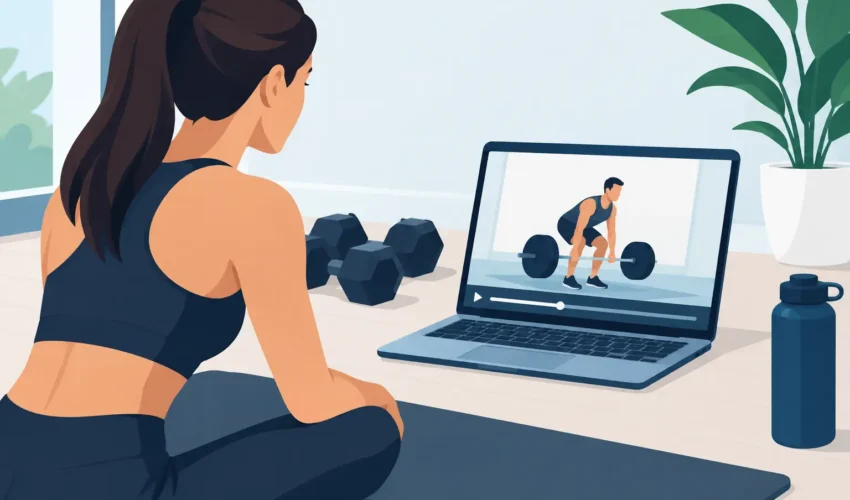
Video is one of the fastest ways to learn what your own lifting looks like. Film from the side or a slight front angle, then compare one repeatable rep with one that went wrong. Look for obvious changes: Did the bar drift away? Did your hips rise too early? Did you cut the extension short? Did your feet land unevenly?
Avoid the trap of copying an elite athlete frame by frame. Different limb lengths, mobility, training histories, and coaching styles create real variations. A tall lifter may not look identical to a compact lifter in the receiving position. A lifter with limited overhead mobility may need to address that limitation before forcing a deeper snatch catch.
Use footage to ask a narrow question rather than diagnose everything at once. Pick one priority for the next set, such as keeping the bar closer through the knee or holding the bottom position for one second. That approach creates useful feedback. Trying to repair six things during a heavy lift usually creates hesitation.
Why These Sessions Are Made for Replay
A women’s 53kg weightlifting session has the ingredients people want from strength video: speed, risk, precision, and a clear result. The bar either gets secured overhead or it does not. There is no hiding from the moment.
But the appeal goes beyond the make-or-miss drama. The best training clips show the hours behind the highlight – warm-up reps, patient corrections, hard squats, and the discipline to shut it down when the quality is gone. That is what gives a huge lift its weight.
Whether you are watching for the adrenaline or training for your own next personal record, replay the rep that looks almost too clean. The details are usually hiding in plain sight.