
A snatch can look brutal in the best way: one violent extension, a bar flying overhead, and a lifter locked into a deep, stable catch before the plates stop shaking. But the lifts that look explosive on video are usually built on patient, repeatable positions. If you want to know how to improve snatch technique, stop treating every miss as a strength problem. Most misses begin earlier – in the setup, the pull, or the split-second decision to get under the bar.
The goal is not to make the bar travel higher than necessary. The goal is to keep it close, stay balanced over the whole foot, and move yourself into a strong receiving position fast. That takes power, mobility, and timing, but it also takes a clear plan for what you are trying to feel in each phase.
Improve Snatch Technique From the Floor Up
A clean first pull does not look flashy. It is controlled, patient, and almost boring. That is exactly why it matters. When the bar breaks from the floor, your shoulders should stay slightly in front of the bar, your arms should remain long, and your back angle should change very little until the bar reaches the knees.
The common mistake is yanking the bar off the floor with the shoulders rising early or the hips shooting up. That turns the lift into a stiff-legged pull and pushes the bar away from the body. Once the bar drifts forward, you are forced to chase it in the catch – a bad place to be when the weight gets real.
Think of the first pull as creating a launch track. Push the floor away with your legs while keeping pressure balanced through the midfoot. The bar should rise close to the shins and knees, not swing around them. If your knees make contact, do not panic. A light brush is normal; a hard collision that knocks the bar forward is not.
Use a setup you can repeat
Before each rep, set the bar over the base of the toes or close to the shoelaces, then grip it wide enough that the bar sits in the hip crease when you stand tall. Brace your trunk, pull slack out of the bar, and make sure your shoulders are ahead of it. Your feet should feel planted, not loaded onto the toes.
There is no single perfect starting position for every lifter. Taller athletes, lifters with long femurs, and athletes with limited ankle mobility may start with slightly different hip heights. The non-negotiable is balance: if the bar feels like it will tip you forward before it leaves the floor, fix that before adding weight.
Keep the Bar Close Through the Power Position
After the bar passes the knees, bring it toward the upper thigh by sweeping it in with the lats. This transition is where many snatches either stay sharp or go sideways. The bar should stay close enough to feel connected to the body, but not so close that you bang it forward off the hips.
As the bar enters the power position, stay patient. Premature arm bend cuts off your leg drive and usually sends the bar looping away. Finish with the legs first, extend hard through the hips and ankles, then let the elbows rise as the bar continues upward.
A useful cue is: legs drive, hips finish, body pulls under. It is simple, but it prevents the classic mistake of trying to upright-row a heavy barbell overhead. Your arms guide the bar after extension. They are not the engine.
Watch your feet, too. Your feet may shift slightly from pulling stance to receiving stance, but they should not jump wildly forward. A big leap forward usually means the bar was pushed away, your balance moved toward the toes, or both. A small reposition is athletic. A desperate stomp is a clue.
Get Under the Bar Instead of Pulling Forever
The snatch rewards speed under the bar, not just height on the bar. Strong lifters can still miss manageable weight because they finish the pull and wait for the bar to come down. By then, the lift is already late.
As you complete extension, actively pull yourself down. Rotate the elbows under and punch into the bar as you descend. The catch should feel like meeting the bar with locked arms, not pressing it out after landing. If you regularly catch with soft elbows, the issue may be slow turnover, poor overhead confidence, or a bar path that is too far forward.
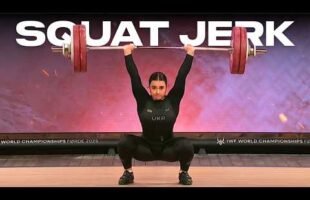
Receiving depth depends on the lift. A light power snatch can be caught above parallel. A near-maximal snatch needs a deeper receiving position because you must get lower relative to the bar. Do not force every training rep into the same depth. Instead, choose the variation that matches the purpose of the session.
For technical work, a full squat snatch exposes flaws and builds confidence in the bottom. For speed and extension, power snatches can be valuable – provided you do not turn them into loose, starfish catches with the bar drifting forward.
Build an Overhead Position That Can Hold the Weight
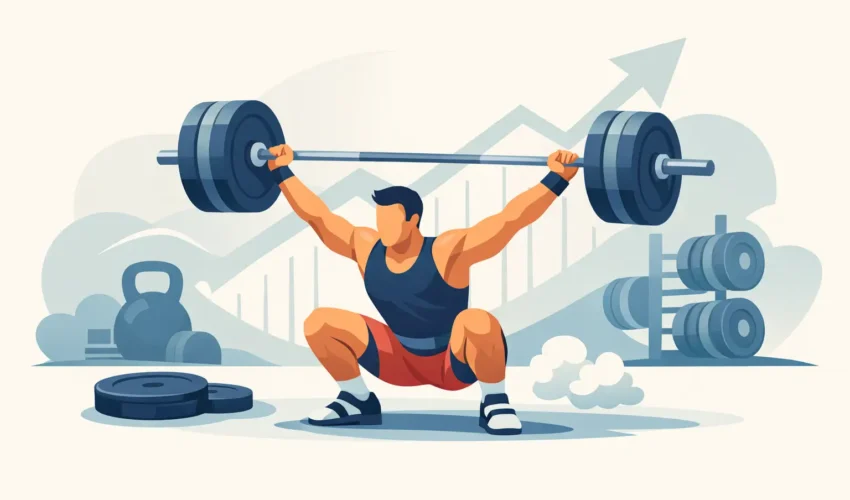
A perfect pull does not save a weak catch. In the bottom position, the bar should be stacked over the middle of the foot, with active shoulders, straight elbows, and a braced torso. Your chest does not need to be perfectly vertical, but it cannot collapse so far forward that the bar moves ahead of your base.
If the bar consistently falls behind you, do not assume you need more shoulder mobility. You may be leaning back during extension or pulling under without keeping the bar close. If it falls forward, check whether you are cutting the pull short, losing lat tension, or lacking ankle mobility and getting folded over in the squat.
Train the receiving position directly. Overhead squats, snatch balances, and paused snatch squats build comfort where the lift is won or lost. Keep these movements honest. A shaky overhead squat with relaxed shoulders teaches you to survive bad positions, not own good ones.
The Best Drills for Better Snatch Mechanics
Drills work when they target one mistake at a time. Throwing five random variations into a workout creates fatigue, not clarity. Use one or two drills before your main work, then carry the same feeling into full snatches.
The following options cover the most common technical gaps:
- Snatch deadlifts with a pause below the knee teach patience off the floor and reinforce shoulder position.
- Hang snatches from above the knee sharpen the scoop, vertical extension, and quick turnover without the distraction of the first pull.
- High-hang snatches force you to finish tall and move under fast. They expose an early arm pull immediately.
- Tall snatches reduce leg drive and make the turnover do the work. Keep the load light and crisp.
- Snatch pulls let you train balance and extension with more load, but only if the bar stays close and the finish remains vertical.
- Snatch balance variations build aggressive lockout and confidence receiving weight in the bottom position.
Film your working sets from the side and from a front angle when possible. One clip can show whether the bar is looping forward, whether your hips rise early, and whether your feet are landing unevenly. For a movement that happens in a second, video is one of the fastest ways to replace guesswork with evidence.
Use Load Without Letting It Rewrite Your Technique
Heavy singles are exciting, and they have a place. They also expose what your technique does when the bar gets intimidating. The problem starts when every session becomes a max-out contest and every miss is followed by another heavier attempt.
Spend most technical work at loads where you can make adjustments – often somewhere around 60 to 80 percent of your best lift, though the right range depends on training age and consistency. If you are newer to the movement, lighter loads and more quality repetitions may move the needle faster. If you are experienced, you may need occasional heavy exposure to make your competition technique reliable.
Use a simple rule: when the same error shows up twice, reduce the weight or switch to a drill. Repeating a forward jump, an early pull, or a press-out under fatigue does not make it automatic in a good way.
Also respect recovery. Snatching asks a lot from the wrists, shoulders, back, hips, knees, and nervous system. Better mobility can help, but mobility alone will not replace a stable setup or smart loading. Sleep, food, and disciplined warm-ups are not glamorous, yet they decide whether your positions stay sharp when training gets hard.
The next time you watch a huge snatch, look past the explosion. Watch how calmly the lifter leaves the floor, how close the bar stays, and how fast they disappear underneath it. Then bring that same focus to your next light set. Great technique is not a highlight-reel accident. It is a position you can repeat when the bar starts fighting back.