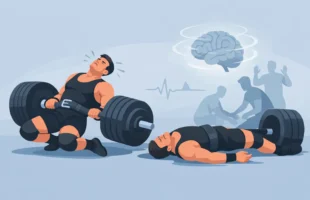

A clip of bodybuilders crushed under weight can stop a scroll instantly. One second, the bar is moving. The next, a massive athlete is pinned, trapped, or scrambling for help. The spectacle is real, but the lesson behind it matters more: being strong enough to lift a weight does not automatically mean a lifter is protected when the rep goes wrong.
For viewers, these moments are shocking. For anyone who trains, they are reminders that heavy lifting is a controlled risk, not a toughness contest. The biggest, most experienced athletes can still miss a groove, lose positioning, cramp, black out, or simply push one rep past the point where their body can recover.
Why Bodybuilders Get Crushed Under Weight
Bodybuilding is often confused with powerlifting, but the goals are different. A bodybuilder trains primarily to build muscle, improve proportions, and create a look that stands out onstage. A powerlifter trains to maximize one-rep strength in the squat, bench press, and deadlift. Still, bodybuilders use brutally heavy compound lifts, especially during off-season phases when gaining size is the mission.
That is where trouble can start. A set of six to 10 reps with a heavy barbell can be more unpredictable than a clean single. Fatigue builds fast. The first few reps may feel sharp, then the chest caves on a squat, the elbows drift on a bench press, or the lower back loses its brace during a row. The lifter may have had the strength for the weight at the start of the set, but not for the final rep.
Muscle size can also create a false sense of security for both the athlete and the audience. A huge physique looks invincible on camera. It is not. Large muscles do not prevent a shoulder from shifting under a bar, a wrist from folding, or a lifter from getting lightheaded after hard breathing and prolonged exertion. Strength helps, but setup, judgment, and equipment decide whether a missed rep becomes an embarrassing bailout or a serious emergency.
The Bench Press Is the Most Unforgiving Miss
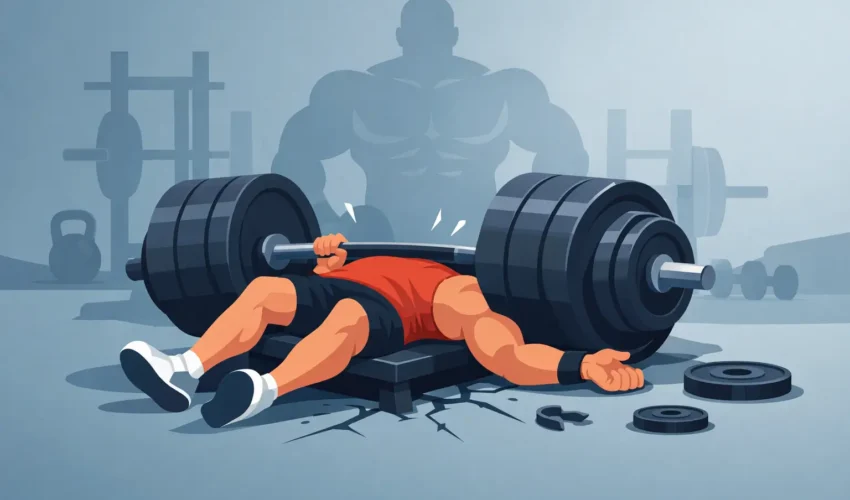
When people think of a lifter getting pinned, they usually picture the bench press. The reason is simple: the bar is directly above the chest, throat, and face. If the arms fail and the bar lands in the wrong place, there is little room to escape.
A bench press miss can happen because the weight was too ambitious, but not always. A lifter can lose tightness in the upper back, misjudge bar path, let one elbow flare, or touch the bar too high or too low on the chest. Even a minor uneven press can turn into a full failure when fatigue is high.
The obvious answer is a spotter, but a spotter only works when they are paying attention and know what to do. Someone standing behind the bench while watching a phone is not protection. A good spotter stays close enough to assist without touching the bar during a clean rep. They also know the lifter’s plan before the set starts: how many reps, whether there will be forced reps, and what signal means help now.
Training alone changes the calculation. Bench safeties, a properly adjusted rack, or dumbbells that can be safely dropped may be smarter choices than a loaded free bar. Some experienced lifters also bench without collars when alone so plates can slide off one side in an emergency. That maneuver can damage equipment and create a dangerous mess around the rack, so it is not a substitute for safeties. It is a last-resort option, not a standard technique.
Squats Fail Differently, but the Risk Is Real
A failed squat usually looks less dramatic than a failed bench, until it does not. The lifter descends, cannot stand back up, and gets folded under the bar. Without correctly set safety arms or a skilled pair of spotters, the bar can trap the athlete’s upper back, neck, or hips in a terrible position.
The safest squat setup begins before the bar leaves the hooks. Safety pins or straps should sit low enough to allow full depth but high enough to catch a failed rep. That sounds basic, yet many lifters skip the adjustment because it takes a minute, interferes with their preferred depth, or makes the rack look less clean on video. A minute is cheap. Getting pinned under hundreds of pounds is not.
Squat spotters need coordination. Two side spotters are often more useful than one person hovering behind the lifter, particularly with very heavy loads. But equipment is more reliable than hoping several people react perfectly at once. If a lifter trains solo, safeties are part of the lift, not an optional accessory.
Ego Lifting Is Only Part of the Story
It is easy to label every heavy-lift accident ego lifting. Sometimes that is fair. Social media rewards outrageous plates, personal-record attempts, and the kind of chaotic gym footage people share because they cannot believe what happened.
But many failures happen to disciplined lifters on ordinary training days. Sleep was poor. Calories were low during a contest diet. The room was hot. A previous set took more out of the athlete than expected. The lifter used a new machine, unfamiliar bar, slick bench, or different shoe. Those details can change a lift quickly.
The point is not that people should avoid hard training. Progress requires effort, and bodybuilding without challenging sets would be a very slow game. The smarter standard is to earn intensity with repeatable technique. A hard set is valuable when it loads the target muscle. A reckless set mainly loads the odds.
What Smart Heavy Training Looks Like
The best lifters do not remove risk. They reduce the consequences of a miss and make failure less likely. That starts with choosing a weight appropriate for the day, rather than treating the number on last week’s bar as a contract.
Before a demanding compound movement, they warm up with purpose. They use lighter sets to check mobility, bar path, balance, and how the body feels under load. They set the rack and safeties before working weight is loaded. They make sure the floor is clear and communicate with training partners.
Technique standards matter most when the set gets ugly. On bench, that means a stable upper back, planted feet, a controlled descent, and no desperate bouncing. On squats, it means bracing before each rep, keeping pressure balanced through the foot, and knowing how to sit the bar onto safeties if the ascent stalls. On machines, it means understanding where the release handles and stops are before the set begins.
There is also a time to stop. If a rep suddenly changes from hard to unstable, forcing it can turn a productive session into footage nobody wanted to create. Leave one or two reps in reserve on movements where failure would be hard to escape. Push closer to failure on exercises with safer exits, such as cable work, many machines, or dumbbell movements performed in a clear area.
Watch the Clip, Then Watch the Setup
Heavy lifting videos are compelling because they show the edge of human performance. VIDS24 viewers know the appeal of seeing athletes move absurd weight, fight through a final rep, or hit a lift that looks impossible. But the most useful clips show more than the dramatic moment. They reveal the rack height, safety placement, spotter attention, setup, and decision that came before it.
That is the difference between watching strength as pure spectacle and understanding strength as a skill. The biggest lift in the room is impressive. The lifter who can train hard for years, recover well, and walk away from every session is the one building something that lasts.