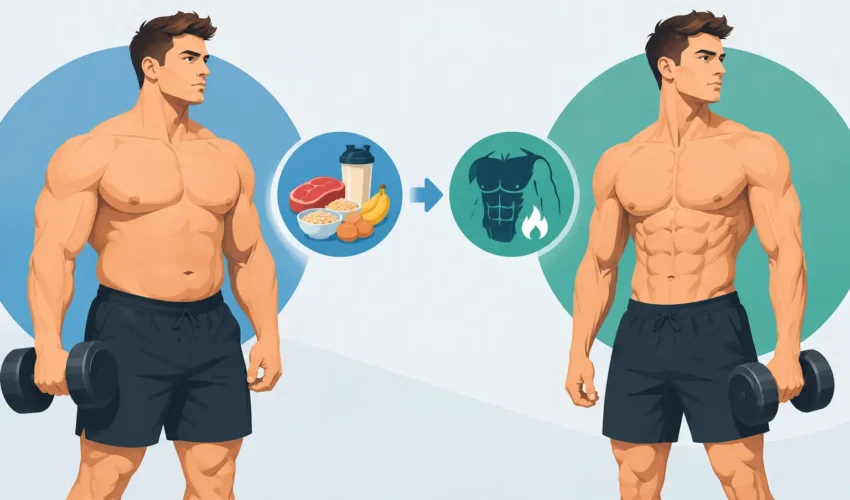

A stage-ready bodybuilder can look carved from granite, but that condition is not where most new muscle gets built. Months earlier, the same athlete may be heavier, softer around the waist, and pushing hard through demanding training sessions. So, why do bodybuilders bulk? Because adding meaningful muscle is usually easier when the body has extra fuel, stronger gym performance, and enough resources to recover from repeated hard training.
Bulking is not a license to eat everything in sight. At its best, it is a deliberate muscle-building phase: train with progression, eat in a controlled calorie surplus, recover well, and accept a modest amount of fat gain as part of the process. The goal is not simply to make the scale jump. It is to create a bigger, stronger physique worth revealing later.
Why Do Bodybuilders Bulk in the First Place?
Muscle tissue is expensive for the body to build and maintain. Resistance training provides the signal by creating tension in the muscle, but food supplies the raw materials and energy that help the body respond. Protein supports muscle protein synthesis, while carbohydrates and fats help cover the high energy demands of training and normal life.
A calorie surplus does not magically turn every extra calorie into biceps or quads. Genetics, training experience, sleep, food quality, program design, and hormone status all matter. Still, when calories are too low, the body has fewer resources to devote to building new tissue. Training can feel flat, recovery drags, and the lifter may spend weeks grinding for tiny improvements.
In a bulk, bodybuilders try to stack the deck in their favor. They can train hard enough to create a reason for growth, then eat enough to recover from that work and repeat it. That consistency is where the visual payoff comes from. The extra plate on the bar, the cleaner set of squats, and the additional hard reps across a training block can eventually become visible size.
The surplus also makes it easier to manage the volume that bodybuilding demands. Building a balanced physique is not just about one heroic bench press. It may require tough chest work, back sessions packed with rows and pulldowns, high-rep lateral raises, leg training, arm isolation, and enough weekly work for smaller lagging muscles. Fueling that workload matters.
More Strength Means More Growth Potential
Bodybuilders bulk partly because food can improve performance. More calories, especially enough carbohydrates, can increase muscle glycogen. Glycogen is stored carbohydrate that helps power hard sets and gives muscles a fuller look. When glycogen is chronically low, high-volume training often feels like driving a performance car with the fuel light on.
Better sessions do not automatically guarantee more muscle, but they raise the ceiling. An athlete who can slowly add reps, load, control, or quality working sets over time is creating progressive overload. That is one of the core drivers of hypertrophy.
This is why an offseason training video can look very different from a cutting-phase clip. During a bulk, the bodybuilder may be chasing a loaded eight-rep set, extending a brutal set of leg presses, or building more total quality work for a weak body part. During a cut, the goal often shifts toward preserving that hard-earned strength and muscle while body weight comes down.
There is a practical limit, though. Force-feeding thousands of extra calories does not produce proportionally faster gains. Once training is fueled and recovery is covered, a huge surplus tends to add fat faster than it adds muscle. Experienced bodybuilders know that the most impressive bulk is often not the wildest one. It is the one that makes next season’s physique bigger without turning the later diet into a miserable, drawn-out rescue mission.
Bulking Gives Recovery a Better Chance
Hard training is only the first half of the equation. Muscles, connective tissue, and the nervous system need time and resources to bounce back. A bodybuilder who trains intensely while underfed may still make progress, especially if they are new to lifting or returning after a layoff. But the margins are tighter.
Extra food can support better recovery between sessions, better sleep for some athletes, and a more sustainable training rhythm. It also makes social life and appetite easier to manage than a severe diet phase. That matters because bodybuilding results come from months of repeatable actions, not one dramatic workout filmed under perfect lighting.
Protein remains essential during a bulk, but it is not the only macro that matters. Carbs help support hard training. Dietary fat supports normal health and makes meals more satisfying. Micronutrients, fiber, hydration, and sleep do not get the same hype as a massive cheat meal, yet they can determine whether an athlete trains well week after week.
The Trade-Off: Some Fat Gain Is Normal
The reason a bulk can make people nervous is obvious: body fat usually rises with body weight. Even a carefully controlled surplus comes with that possibility. For competitive bodybuilders, this is a planned trade. They build as much lean mass as they can during the offseason, then diet down to reveal it onstage.
The mistake is treating a bulk like a contest to become as heavy as possible. Rapid weight gain can make it difficult to tell whether progress is muscle, fat, water, or simply a few high-calorie weekends. It can also leave the athlete with a longer cut, lower energy during prep, and a greater chance of losing muscle while dieting aggressively.
A more controlled approach usually works better. Many lifters aim for gradual scale increases, watch gym performance, take consistent progress photos, and measure their waist alongside body weight. If the waist is rising much faster than strength, measurements, or visible muscle fullness, the surplus may be too aggressive.
How slow is slow enough? It depends on the person. A newer lifter, a very lean athlete, or someone coming back after time away may gain at a faster rate while still adding muscle efficiently. An advanced bodybuilder with years of serious training usually needs more patience. The closer someone gets to their genetic potential, the harder every new pound of muscle becomes to earn.
A Bulk Is Not Always the Right Move
Not everyone should bulk immediately. Someone carrying a high amount of body fat, struggling with inconsistent eating, or just learning basic lifting technique may get better results from maintenance calories or a modest fat-loss phase first. Beginners can often build some muscle without a dramatic surplus because their bodies are highly responsive to training.
Maintenance phases deserve more respect than they get. They can help a lifter practice meal consistency, build strength, improve exercise form, and see how their body responds before changing calories. For someone who has spent years cycling between crash diets and uncontrolled overeating, maintenance can be the smarter power move.
Bulking may also be a poor fit for anyone with a history of disordered eating or intense anxiety around food and body weight. In those cases, working with a qualified health professional is more valuable than following an offseason plan from a shredded influencer. Health is not a side quest.
What a Productive Bulk Actually Looks Like
A productive bulk is almost boring from the outside. Meals are regular. Training is tracked. Body weight moves gradually. The athlete does not panic over a single weigh-in after a salty dinner, and they do not rewrite the program every Monday.
Start with a small calorie increase above maintenance rather than an extreme jump. Keep protein consistently high, build meals around foods you can repeat, and place enough carbohydrates around training to support performance. Then use the gym logbook as evidence. If body weight is climbing but lifts and rep quality are not improving over time, more calories may not be the answer.
The best bulks also have an exit plan. Some bodybuilders run a long offseason and later begin a full contest prep. Others use a shorter gaining phase followed by a brief mini-cut when body fat starts to climb faster than desired. There is no single perfect calendar. The right duration depends on the athlete’s starting condition, goal, timeline, and how well they are actually progressing.
Watch the big signals: stronger lifts, fuller muscles, improved recovery, stable habits, and measurements that move in the right direction. The scale matters, but it is only one camera angle on the whole story.
A bulk is the less glamorous footage behind the final reveal: early alarms, heavy sets, meal prep, and patient months when the mirror does not yet show the finished product. Build with control, train with intent, and make every added pound earn its place before it is time to cut.