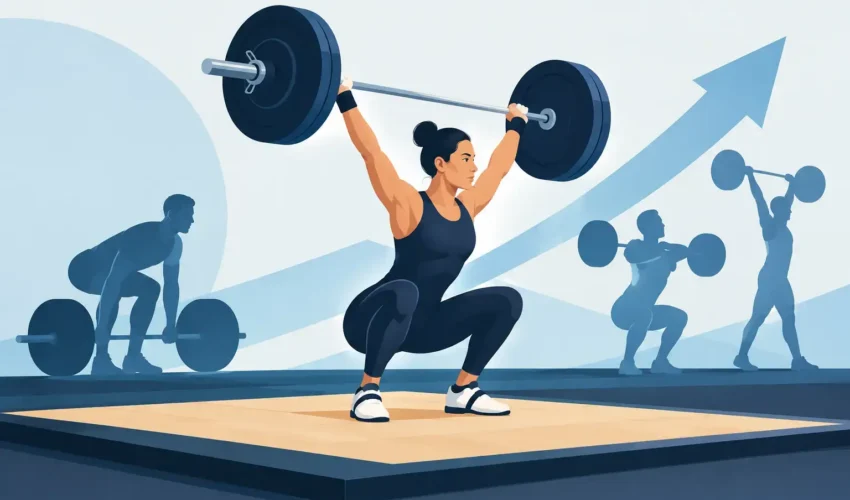

A clean snatch that locks out overhead in a split second. A heavy clean and jerk that turns a packed training hall silent before the bar crashes down. Olympic lifting trends are moving fast because the sport is now built for both the platform and the camera. Lifters still chase totals, but they are also sharing training battles, comeback stories, technical breakdowns, and huge personal records with an audience that wants the action now.
The barbell has not changed. The way athletes train, learn, compete, and get noticed absolutely has.
Olympic Lifting Trends Worth Watching
The biggest shift is visibility. Olympic weightlifting used to be a niche sport people found through local clubs, national meets, or a coach’s recommendation. Now, a beginner can watch elite attempts, slow-motion replays, warm-up room footage, and coaching clips before finishing breakfast.
That access has made the sport more exciting, but it has also raised the standard for what viewers expect. A competition lift is no longer just a number on a scoreboard. It is a moment: the walkout, the chalk cloud, the save, the celebration, or the miss that leaves the entire room staring at the platform.
Short-form clips are making technique easier to see
Olympic lifting is highly technical, and video has become one of the best teaching tools available. A well-shot clip can show a lifter’s starting position, bar path, turnover, catch, and recovery in seconds. Slow motion makes details visible that are easy to miss at full speed, especially in the snatch.
That does not mean every viral technique tip is good coaching. A single camera angle can hide foot pressure, balance, timing, or a barbell looping forward. Still, quick visual analysis helps lifters recognize common problems and gives fans more appreciation for how much happens between the floor and full extension.
The strongest videos do more than show a heavy lift. They give the viewer a reason to care: an athlete building toward a meet, a coach explaining one key adjustment, or a lifter trying to break through a stubborn plateau.
Strength athletes are crossing over
Powerlifters, CrossFit athletes, bodybuilders, strongman competitors, and combat-sport athletes are all borrowing pieces of Olympic lifting. Some want explosive power. Others want a new challenge after years of slower, grinding barbell work. For viewers, that crossover creates great footage because each athlete brings a different strength to the lift.
A strong deadlifter may clean huge weight but struggle to rack it. A muscular bodybuilder may have the horsepower for pulls but need months to earn a stable overhead position. A former gymnast may move under the bar like lightning. The contrast makes Olympic lifting compelling even for people who do not follow formal weightlifting competition.
There is a trade-off. Olympic lifts are not mandatory for every athlete, and they are not automatically the best choice for every goal. Someone training for muscle growth, general fitness, or a sport with limited overhead demands may get better results from simpler movements. But for people who love speed, coordination, and the raw visual impact of moving a loaded barbell overhead, few exercises compete.
Heavier Training With Smarter Constraints
The old image of weightlifting training is endless max attempts, aggressive music, and plates shaking on every pull. That intensity still exists. But one of the more useful olympic lifting trends is the growing focus on training quality, not just highlight-reel weight.
Athletes are using blocks, pauses, tempo work, complexes, and positional variations to solve specific weaknesses. A pause below the knee can expose a weak starting pull. A hang snatch can force patience and a sharper extension. A clean pull may build force without the fatigue of catching every rep. These are not flashy on paper, but they often create the lifts that become flashy later.
Coaches are also putting more attention on load management. A heavy day is useful when it has a purpose. Going near a maximum every session can turn a promising training cycle into a string of missed lifts, irritated joints, and bad habits under fatigue. The best lifters know when to attack the bar and when to stack clean, repeatable reps.
For video audiences, that creates a better story than nonstop personal records. Progress is not always dramatic. Sometimes it is an athlete finally keeping the bar close. Sometimes it is a stronger receiving position. Sometimes it is showing up after a rough miss and making the next attempt.
Mobility is being treated as a performance skill
Mobility content is everywhere, but Olympic lifting has made the difference between flexibility and usable positions impossible to ignore. A lifter needs enough ankle movement to sit into a stable catch, enough hip control to stay balanced, and enough shoulder range and strength to hold a bar overhead.
The key word is control. Passive stretching alone will not teach a lifter to receive a snatch with a loaded barbell. The current move toward targeted warm-ups, stable overhead work, and position-specific drills is a better direction than randomly chasing extreme range of motion.
It also keeps expectations realistic. Not every lifter will look identical at the bottom of a squat or in a snatch receiving position. Body proportions, injury history, and individual mobility all matter. A good position is one that is safe, repeatable, and effective for that athlete, not one copied from a still frame online.
Women’s Weightlifting Keeps Raising the Energy
Women’s Olympic lifting is one of the sport’s most exciting growth engines. The depth of competition has increased, the technical level is fierce, and more women are showing beginners that strength training does not need to be small, cautious, or hidden.
The appeal goes beyond elite competition. Recreational lifters are posting first snatches, hard-earned clean and jerks, and training sessions that show the real process behind getting strong. That visibility matters because the first step into a weightlifting gym can feel intimidating. Seeing athletes of different sizes, backgrounds, and experience levels attack the same lifts makes the sport easier to enter.
For creators, the best content does not treat women lifting heavy as a novelty. It treats it as what it is: athletic skill, serious training, and sometimes absolute chaos when a personal record finally clicks.
Competition Is Becoming More Watchable
Weightlifting can be hard for new fans to follow. Attempts move quickly, scoring depends on bodyweight and totals, and a missed lift can change an entire session. Better event presentation is helping. Clearer graphics, athlete profiles, replay angles, announcers who explain the stakes, and clips organized around the biggest moments all make the sport easier to watch.
The drama is already there. Three attempts create instant pressure. A lifter can miss twice, step up for the final chance, and either save the day or leave with nothing in that lift. That is sports storytelling with no filler required.
Local meets are benefiting too. A well-filmed regional competition can introduce viewers to lifters before they reach a larger stage. It gives athletes footage to study and share, while showing future competitors what the environment actually feels like: loud, supportive, nervous, and very real.
What Makes a Great Weightlifting Video?
The answer is not always the heaviest barbell. Massive lifts will always stop the scroll, but viewers stay for context. Show the attempt selection. Capture the coach’s reaction. Let the failed first rep remain in the edit if the final lift lands. Include the sound of the plates, the crowd, and the platform.
A great clip also respects the sport. The snatch and clean and jerk are dangerous when rushed or copied carelessly. Smart creators show proper setup, use appropriate weights, and avoid selling reckless max-outs as the only path to progress. The strongest footage makes people want to train harder, not make a bad decision alone in a garage gym.
For VIDS24 viewers, Olympic lifting fits the same reason people watch motorsports, martial arts, and extreme challenges: precision under pressure is hard to look away from. One second separates a perfect lift from a hard miss, and the athlete has nowhere to hide.
The next breakout weightlifting moment may come from an international final, a packed local meet, or a lifter hitting a first bodyweight snatch after months of work. Keep watching the details. The biggest trends are not just heavier bars – they are better stories behind every lift.