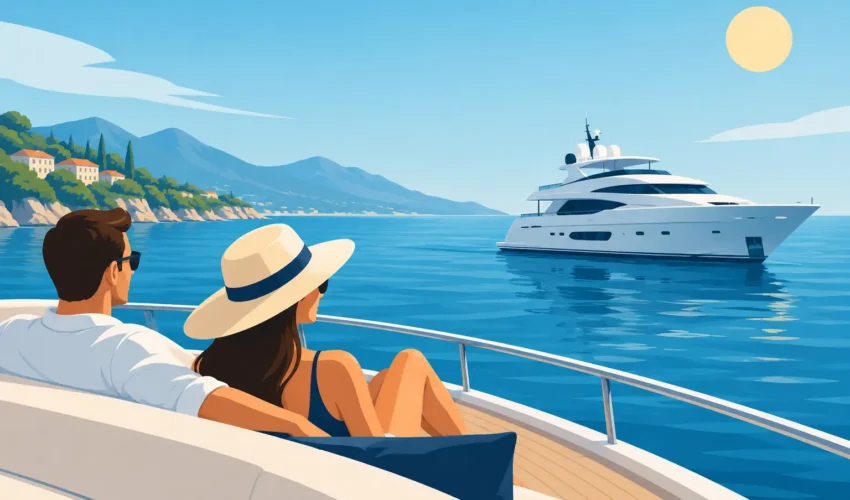


A helicopter touching down beside an alpine lodge. A midnight run through a desert in a supercar. A yacht cutting across water so clear it barely looks real. Luxury travel earns attention because the best moments are visual, fast-moving, and hard to copy. But the real difference is rarely just the price of the room or the class of the seat.
Luxury travel is the ability to spend less time waiting, guessing, and settling – and more time in places, machines, events, and experiences that feel built around your interests. For some travelers, that means a private villa and a chef. For others, it means a garage tour in Italy, a front-row spot at a major fight, or an off-road guide who knows the terrain after dark.
What Luxury Travel Actually Delivers
A luxury trip should create access, not just add expensive labels. Five-star sheets are nice. So is a champagne greeting. Neither matters much if the itinerary is generic, the location is inconvenient, or every day feels like a line item copied from someone else’s vacation.
The strongest trips remove friction where it counts. Think airport transfers that are ready when you land, flexible check-in after a delayed flight, a guide who can adjust plans when weather changes, or a hotel team that understands you want a serious gym session before breakfast. The value is control over your time.
That is why luxury means different things to different audiences. A car enthusiast may choose a track-focused weekend over a famous beach resort. A weightlifter may care more about a hotel with elite training equipment and recovery options than a marble lobby. Someone chasing wildlife footage may pay for a private conservancy because fewer vehicles and a better guide can mean the difference between seeing an animal and actually getting the shot.
The Four Things That Make a Trip Feel Premium
Luxury travel gets stronger when four elements work together: privacy, access, expertise, and time. Miss one, and a costly trip can still feel average.
Privacy is not always total isolation. It can mean a quieter floor, a private driver, a villa with room to reset, or simply the freedom to leave a crowded scene when it stops being fun. Some travelers love the energy of a packed Monaco race weekend or a championship fight night. Others want a remote lodge where the loudest sound is a river outside the window. Neither choice is automatically more luxurious. It depends on what you came to feel.
Access is the part people remember. A reservation at a hard-to-book restaurant is good. A kitchen table experience with the chef, a closed-course drive, a behind-the-scenes tour, or a local fixer who gets you into the right room at the right time is better. Access should have a story attached to it.
Expertise is what keeps impressive plans from falling apart. The best advisors, concierges, guides, captains, and drivers know the local details that do not appear in polished travel photos. They know when the weather turns, which marina is calmest, how long a mountain transfer really takes, and when a popular attraction is worth visiting versus when it is better skipped.
Time may be the most valuable upgrade of all. A direct flight instead of two connections, luggage handled without a scramble, priority entry at an event, or a hotel located close to the action can buy back hours. That extra time can become a sunrise ride, a long lunch, a training session, or nothing at all. On a great trip, even doing nothing feels intentional.
Build Luxury Travel Around One Big Interest
The trips with the most impact usually have a clear center. Trying to see every landmark, every neighborhood, and every trendy restaurant can turn even a beautiful destination into a checklist. Pick the obsession first, then build around it.
For motorsports fans, that could be a Grand Prix weekend, a major endurance race, or a performance driving program. Book accommodations based on realistic track access, not just a glamorous postal code. A room that looks incredible online is a poor choice if it creates a three-hour traffic battle before and after every session.
For adventure travelers, the centerpiece might be heli-skiing, deep-sea fishing, freediving, mountain biking, or a serious wildlife expedition. Here, spending on a skilled operator is usually smarter than spending everything on the flashiest hotel. Remote environments are unforgiving of weak logistics. Better equipment, safety standards, and guides who know the ground matter more than a decorative suite.
For travelers drawn to luxury lifestyle content, cities such as Miami, Las Vegas, Mexico City, São Paulo, Dubai, and Los Angeles offer plenty of spectacle. The catch is that spectacle can be easy to buy and difficult to enjoy. A good plan leaves space between reservations. The most memorable scenes often happen after the scheduled event: a late-night drive, an unexpected rooftop view, an empty hotel pool at dawn, or a local recommendation that never appeared in the original plan.
That is the kind of high-impact experience people want to watch, share, and talk about later. It is also why visually driven platforms like VIDS24 can make great travel inspiration feel more immediate than a standard brochure. The footage shows pace, scale, sound, and atmosphere – the details that decide whether a destination fits your idea of a big trip.
Where Big Spending Can Go Wrong
More money does not guarantee more freedom. Private flights can save serious time on certain routes, especially when commercial schedules are poor or several people are traveling together. On a simple route with frequent nonstop service, though, the premium can be hard to justify. First class or business class may deliver most of the comfort without consuming the budget needed for experiences on the ground.
The same rule applies to hotels. A famous property can be worth it for its location, service, beach, spa, or history. But if you plan to be out from sunrise until late night, a less expensive room at the same property – or a sharp boutique hotel closer to your main activity – may be the smarter move. Luxury is not about paying for things you will not use.
Overplanning is another expensive mistake. Every hour does not need a reservation. Weather, energy levels, crowds, and unexpected opportunities all change the equation. Leave breathing room, especially after a long-haul flight or a major event. A schedule packed too tightly can make a premium trip feel like work.
There is also a difference between exclusivity and quality. A destination may charge more because it is fashionable, not because it is better. Ask what the price actually buys: privacy, service, location, rarity, craftsmanship, safety, or convenience. If the answer is mostly branding, pause before committing.
How to Make the Experience Worth Filming
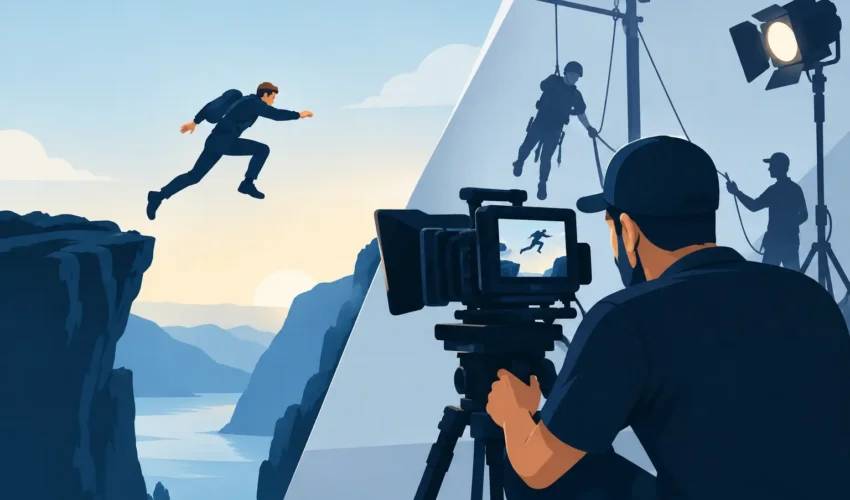
A luxury trip can look incredible without becoming a nonstop content shoot. The best footage comes from real action: a cold start in an exotic car, waves hitting the bow before sunrise, a hard training session in a destination gym, a storm rolling over the mountains, or the final seconds before a fighter walks out.
Plan for those moments without forcing them. Know the sunrise and sunset times. Keep a phone, action camera, or compact camera charged. Ask permission before filming at private properties, restaurants, and events. If you are filming people, especially staff or local communities, respect the setting instead of treating it like a backdrop.
Good travel video also needs contrast. Show the speed, but show the quiet reset afterward. Capture the supercar, then the road that made the drive worthwhile. Film the suite if it is remarkable, but do not ignore the gym, garage, dock, trail, or arena that gave the trip its purpose. The strongest clips make viewers feel like they were there, not like they were sold something.
Spend for the Story You Want to Tell
Before booking, ask one direct question: what will make this trip impossible to confuse with any other trip? The answer might be a private guide, an unforgettable machine, a rare event, a remote landscape, or simply uninterrupted time with people who matter. Put the budget behind that answer first, and let everything else support it.
The point is not to make every second look expensive. Make it feel specific. A well-timed experience, a capable local expert, and enough room to follow the unexpected can turn luxury travel from a collection of receipts into a story worth replaying.